Fasting as a Natural Tool
Fasting isn’t a trend; it’s a biological practice the human body has used for thousands of years to conserve energy, repair tissues, and improve metabolic function.
Today, thanks to biomarker measurement tools like glucose and ketones, we can observe in real time how the body shifts during periods without food.
VITAKEE turns intermittent fasting into a measurable, conscious, and safe experience—helping you understand when your body is truly burning fat and when you’re simply in a caloric deficit.
What Happens in Your Body When You Fast?
During the first hours without food, the body uses stored glucose as its main energy source. Once that reserve decreases, a fascinating process begins:
| Time Without Food | Main Metabolic Changes |
| 0–6 hours | Active digestion. Glucose is the primary energy source. |
| 6–12 hours | Insulin drops, and the body accesses liver glycogen. |
| 12–18 hours | Release of fatty acids begins and ketone production starts. |
| 18–24 hours | Mild ketosis: the body starts using fat as fuel. |
| +24 hours | Moderate ketosis, activation of autophagy and cellular repair. |
Ketone production indicates that your metabolism has shifted from “storage mode” to “utilization mode.” This shift is key for metabolic health.
What Are Ketones and Why Are They Important?
Ketones (β-hydroxybutyrate, acetoacetate, and acetone) are energy molecules derived from fats. They are produced mainly in the liver when glucose and insulin levels are low.
Documented benefits:
- Support mental clarity and focus.
- Reduce hunger sensations.
- Increase body fat oxidation.
- Stabilize energy levels (without glucose spikes).
- Can lower inflammatory and oxidative stress markers.
Measuring ketones helps you know if your fast is actually working—or if you’re simply restricting calories without activating fat burning.
Most Common Types of Intermittent Fasting
| Type | Hours Fasting / Eating | Recommended For |
| 12:12 | 12h fasting / 12h eating | Ideal for beginners. |
| 16:8 | 16h fasting / 8h eating | Most popular. Improves insulin sensitivity. |
| 18:6 | 18h fasting / 6h eating | Higher ketone production. |
| 24h (1–2x/week) | Full occasional fast | Advanced; supervision recommended. |
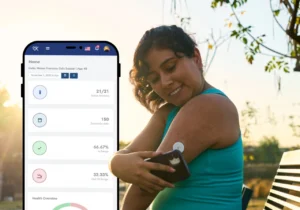
With VITAKEE, you can log glucose and ketones before, during, and after fasting to observe your metabolic adaptation curve.
During the first days, you may produce little or no ketones—but after a week, your body will start responding.
How to Start Your Fasting Protocol
Step 1. Define your eating window.
Choose a fasting type that fits your routine. Don’t force overly long windows.
Step 2. Measure your glucose and ketones.
Take measurements while fasting and at the end of the fast. VITAKEE will show whether you’re entering ketosis.
Step 3. Stay hydrated.
Drink water with minerals or natural electrolytes. Avoid drinks with artificial sweeteners.
Step 4. Prioritize protein and healthy fats.
When breaking your fast, avoid glucose spikes. A protein source (eggs, chicken, fish) plus vegetables and healthy fats (avocado, olive oil) is ideal.
Step 5. Sleep well.
Your body produces more ketones and regulates cortisol better when you get sufficient sleep.
Signs Your Fast Is Working
- Higher morning energy
- Fewer cravings and more stable hunger
- Fasting glucose < 95 mg/dL
- Ketones between 0.5 and 1.5 mmol/L
- Visible reduction in abdominal fat
- Better mental focus
If you track these changes in VITAKEE, you will see an upward metabolic curve showing your body is becoming more efficient.
Common Fasting Mistakes
- Breaking the fast with refined carbs → insulin spikes
- Sleeping poorly → blocks ketosis
- Consuming artificially flavored drinks → may break your fast
- Excess caffeine during long fasts → increases cortisol and glucose
- Fasting without planning → leads to fatigue or imbalance
When NOT to Fast
- If pregnant or breastfeeding
- If you have a history of hypoglycemia or eating disorders
- If taking diabetes medication without medical supervision
- If your BMI is very low
Intermittent fasting isn’t for everyone—but understanding how your body responds always is.
VITAKEE helps you do it in a personalized, measurable, and safe way.
Conclusion
Fasting is listening to your body.
Measuring your ketones is understanding its language.
VITAKEE translates that data into useful information so you can make real decisions.
The goal isn’t to fast more—it’s to fast better: with purpose, evidence, and results