

Has it ever happened that you visit a nutritionist, explain what you eat, but still don’t get the results you expected?
Many times, it’s not a lack of commitment—it’s a lack of objective data.
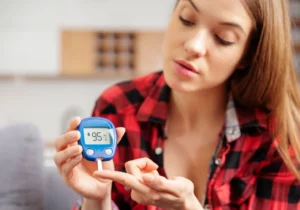
Sharing your real biomarkers with a specialist—such as your glucose levels, triglycerides, body composition, or energy levels—can be the difference between a generic recommendation and a truly personalized intervention.
In this article, we explain why sharing your information securely and temporarily with your nutritionist can lead to real, sustainable improvements in your health.
1. From Subjective to Measurable
Most nutrition consultations rely on what you remember or perceive:
- “I feel tired.”
- “I eat healthy, but I’m not losing weight.”
- “Sometimes I eat breakfast, sometimes I don’t.”
The problem is that the body doesn’t follow perceptions—it follows data.
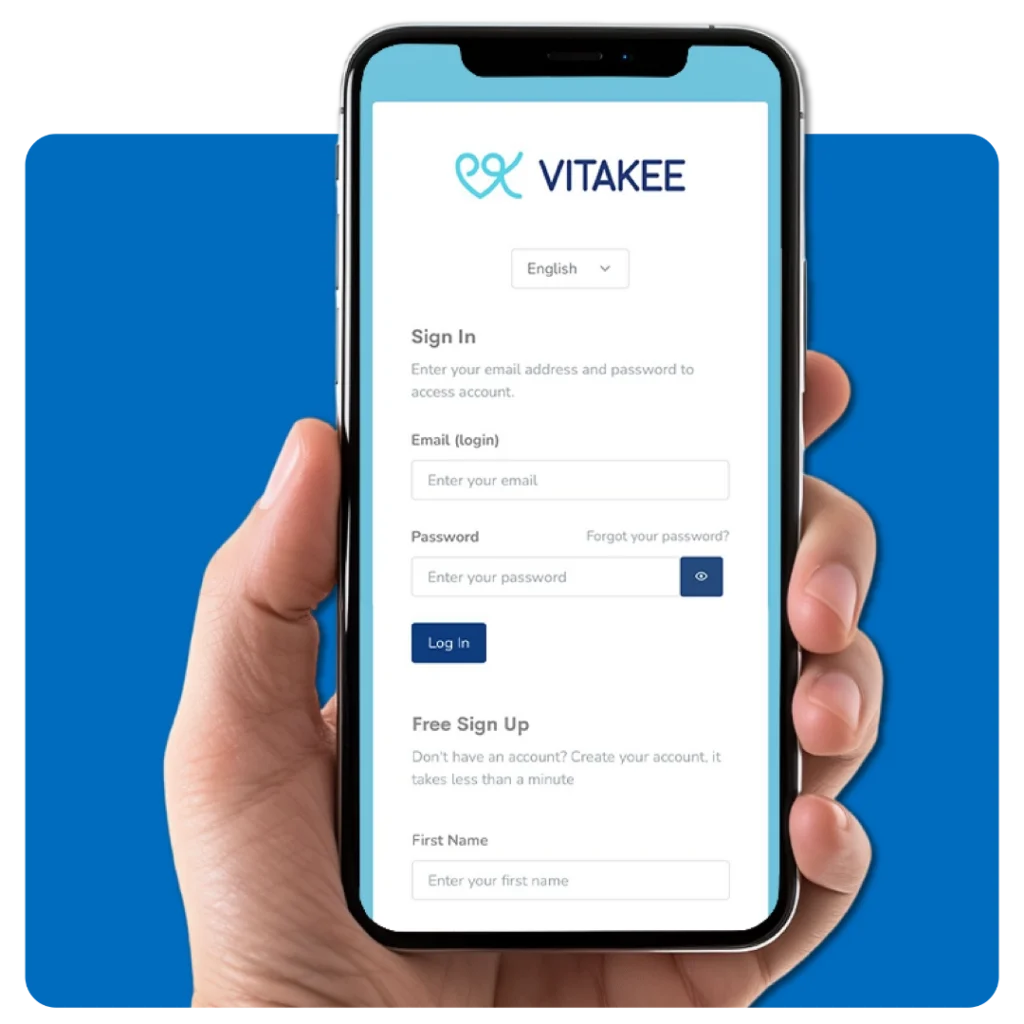
When you share your logs through VITAKEE, your nutritionist doesn’t only see what you feel; they see what is actually happening inside your body. For example:
- Is your fasting glucose high without you knowing it?
- Are your ketone levels not rising despite fasting?
- Are you losing muscle instead of fat?
2. More Precision, Faster Results
When your nutritionist has temporary access to your data:
- They can detect hidden errors in your eating patterns.
- They can adjust your carbohydrates, fats, or protein based on your real response.
- They can monitor the impact of a supplement or strategy (like fasting) without waiting for a lab test.
Instead of waiting a month to see “if something changed,” your specialist can adjust the plan within days—like having a real-time control panel.
3. Avoiding Unnecessary Setbacks
Many plans fail because there is no follow-up between consultations.
With a platform like VITAKEE, your nutritionist can:
- See if you’re entering ketosis—or if you’re not burning fat at all.
- Detect an abnormal glucose spike that could affect your entire plan.
- Advise you quickly if your muscle mass starts dropping.
All without needing to see you every week. Only with the data you choose to share, for as long as you decide.
4. Building a Trust-Based, Evidence-Driven Relationship
Sharing your biomarkers doesn’t just help your nutritionist—it empowers you.
You’re no longer a passive patient who simply “follows the diet.” Now you’re someone who:
- Knows their numbers
- Understands their progress
- Sees the reason behind each adjustment
This creates motivation, commitment, and real long-term adherence.
5. It’s 100% Private, and You Stay in Control
With VITAKEE, you choose:
- Which panels to share (glucose, ketones, body composition, etc.)
- For how long (days, weeks, or a single appointment)
- With which professional (by ID, email, or through the internal network)
Your data isn’t sold or stored on external servers. It belongs to you—and only you decide what to do with it.
Conclusion
Sharing your biomarkers with your nutritionist is not invasive, complicated, or unnecessary.
It’s the smartest way to transform your subjective experience into an evidence-based plan.
If you want to move forward with confidence, clarity, and visible results, start tracking and sharing your health strategically. Because when your specialist has real data, you get real results.