

You don’t need to be a doctor to understand the messages your body sends you. You only need to know what to look at. Biomarkers are those invisible—yet measurable—signals that reveal how your body is functioning. From your fasting glucose to your triglyceride levels or body composition, these data points can give you an invaluable advantage: spotting a problem before it becomes a disease.
In this article, you’ll discover what biomarkers are, which ones matter most for your daily health, and how you can start measuring them from home without expensive tests or complicated apps.
What Is a Biomarker?
A biomarker is any physiological data point that can be measured objectively to evaluate your health status. They work like dashboard indicators that show you whether something is working well—or moving out of the optimal range.
Common examples:
- Blood glucose
- Cholesterol and triglycerides
- Ketone levels
- Muscle mass or visceral fat
- Heart rate or sleep quality
Knowing them early can help you avoid late diagnoses or incorrect decisions.
Why These Biomarkers Can Save Your Life
Because many serious health issues show no symptoms at the beginning.
Here are some real examples:
Elevated glucose without symptoms
You can have fasting glucose above 110 mg/dL for years without feeling anything—until you receive a prediabetes or type 2 diabetes diagnosis. If you detect it early, you can reverse it with nutrition and movement alone.
High triglycerides in young adults
Values above 150 mg/dL increase cardiovascular risk. But if you identify them early, diet adjustments can lower them within weeks—without medication.
The link between muscle mass and chronic fatigue
Many people experiencing constant tiredness don’t have anemia—they have low muscle mass or insulin resistance. Measuring your body composition at home can give you real insight.
Ketones and metabolic energy
Low ketone levels in people dealing with fatigue, brain fog, or struggles with fasting may indicate a rigid metabolism or low metabolic flexibility.
5 Biomarkers You Should Know Today
1. Fasting Glucose
- Ideal: 70–90 mg/dL (context-dependent)
- What it indicates: insulin sensitivity and carbohydrate metabolism
2. Triglycerides
- Ideal: under 100 mg/dL
- What it indicates: cardiovascular health, hidden fatty liver, response to refined carbs
3. Triglycerides / HDL Ratio
- Ideal: <1.5
- What it indicates: a more accurate cardiovascular risk predictor than total cholesterol
4. Blood Ketones
- Ideal: 0.3–1.0 mmol/L (if you’re aiming for metabolic flexibility)
- What it indicates: your body’s ability to use fat as fuel
5. Abdominal Fat vs. Muscle Mass
- Ideal: low abdominal fat percentage + high skeletal muscle percentage
- What it indicates: metabolic risk, silent inflammation, and habit quality
How to Start Measuring Them
You don’t need a lab or a monthly subscription. You only need:
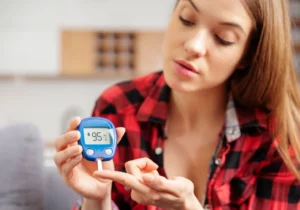
- A glucose meter (for glucose and ketones)
- A smart scale (for body composition)
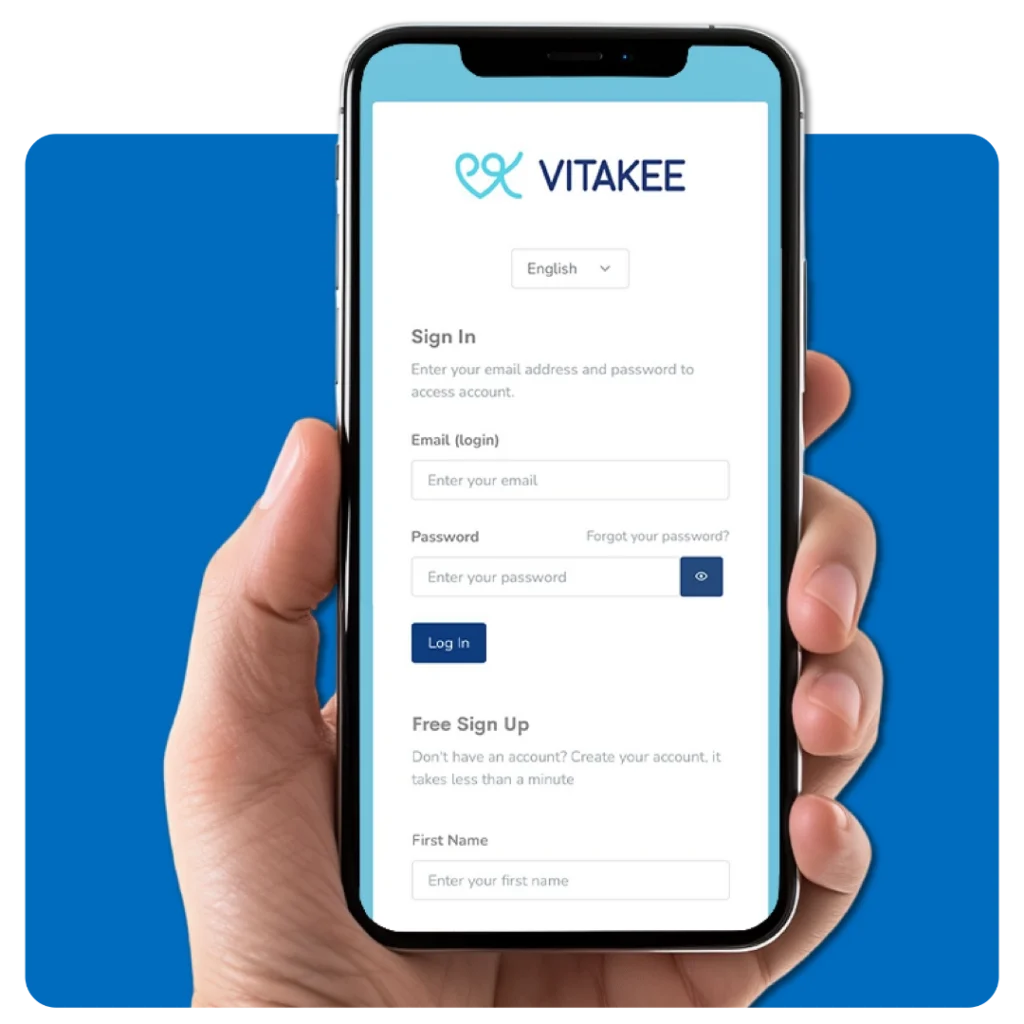
- A platform like VITAKEE to record and visualize your data with context
VITAKEE helps you see your progress, detect patterns, and share your information with professionals if you choose to.
Conclusion
Measuring your biomarkers isn’t obsession or paranoia. It’s smart prevention. It’s anticipating. It’s understanding your body in real time.
And the best part is that today you can do it yourself, from home, visually, privately, and without depending on anyone. Because health starts with knowledge.