
Having an active metabolism doesn’t mean “burning calories” all day long.
It means having the ability to use fat or glucose depending on what your body needs at any given moment—without relying solely on sugar to function.
This challenge is designed to help your body use fat more efficiently as fuel and begin producing ketones naturally, without extreme protocols.
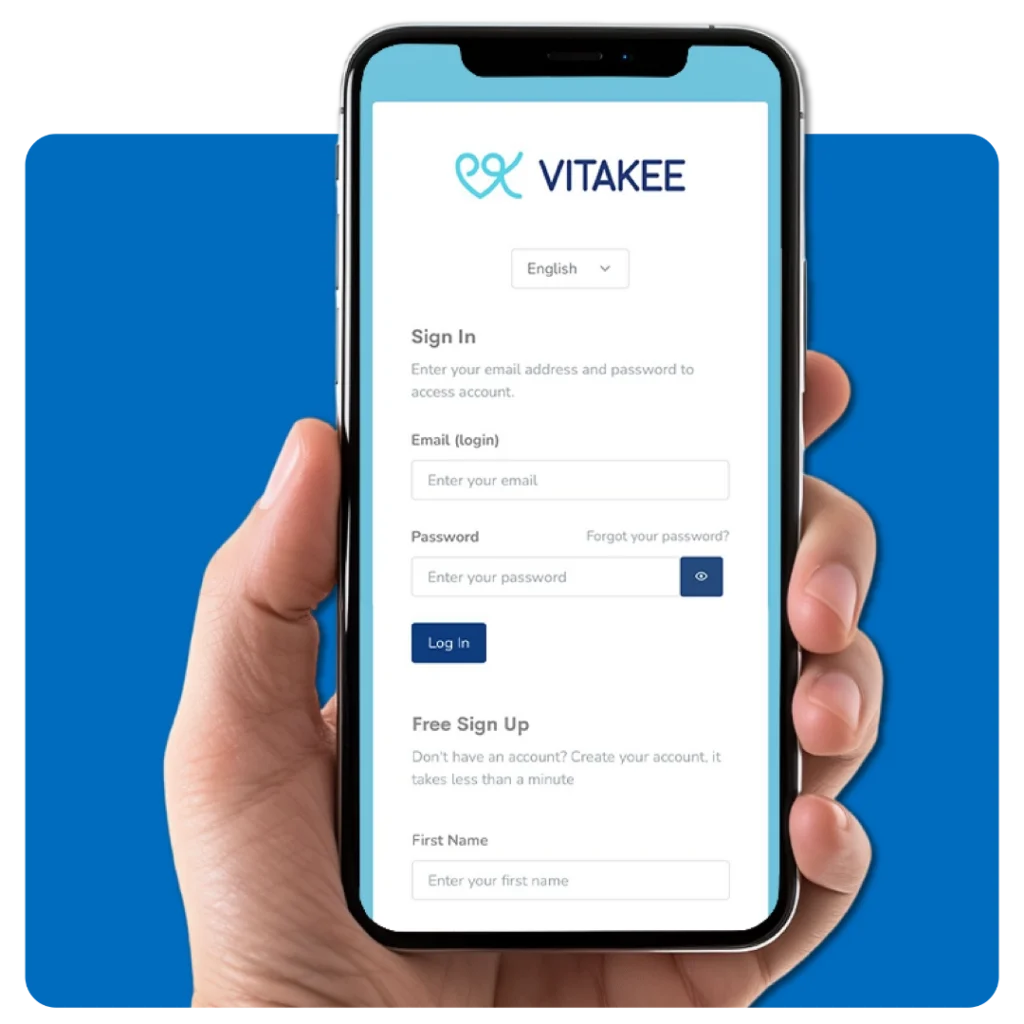
In VITAKEE, you’ll be able to track your glucose levels, ketones, and energy-related symptoms such as fatigue, mental clarity, cravings, or sleep after meals.
How it works
Each day you will apply one strategy focused on:
- Mobilizing body fat
- Increasing metabolic flexibility
- Stimulating ketones without destabilizing your glucose
Ideal if you already completed the “Stable Glucose Challenge.”
Week 1: Transition to Metabolic Flexibility
| Day | Suggested Habit | Objective |
| 1 | 12-hour overnight fast | Train your body to use fat in the morning |
| 2 | No-carb breakfast (protein + fat only) | Lower morning insulin |
| 3 | 20-minute fasted walk | Gentle lipolysis stimulation |
| 4 | Avoid snacks between meals | Activate fat oxidation between meals |
| 5 | Add coconut oil or ghee to one meal | Stimulate ketone production |
| 6 | Early, light dinner (no flours) | Support nighttime ketosis |
| 7 | Measure ketones upon waking + fasting glucose | Establish baseline |
Week 2: Natural Ketone Stimulation
| Day | Suggested Habit | Objective |
| 8 | Increase healthy fats (avocado, olive oil, nuts) | Glucose-free energy |
| 9 | Avoid alcohol, dairy, and artificial sweeteners | They interrupt ketosis |
| 10 | Exercise 20 min before lunch (strength or walk) | Raise insulin sensitivity |
| 11 | Consume clean, moderate protein (chicken, fish) | Maintain muscle without glucose |
| 12 | Keep 4–5 hours between meals | Support continuous fat oxidation |
| 13 | Add 1 tbsp vinegar before lunch | Improve glucose use at meals |
| 14 | Measure ketones 1 hour after lunch | Detect post-meal ketogenic response |
Week 3: Personalized Optimization
| Day | Suggested Habit | Objective |
| 15 | Avoid fruit for 24 hours | Observe if ketones rise |
| 16 | Log your energy level 3 times a day | Correlate with ketones |
| 17 | Swap breakfast for a no-sugar shake (whey + fat) | Maintain satiety without spikes |
| 18 | Dinner: protein + vegetables + olive oil | High satiety, low glucose impact |
| 19 | Do 5 minutes of nasal breathing before sleep | Lower cortisol (ketone antagonist) |
| 20 | Choose your 3 most sustainable habits | Personalize your plan |
| 21 | Measure fasting and post-meal ketones | Evaluate metabolic progress |
Expected Improvement Indicators
During the challenge, you may notice:
- Higher ketones (>0.5 mmol/L upon waking)
- Fewer energy crashes throughout the day
- Reduced abdominal fat (if maintained over time)
- Less dependence on snacks or coffee
- Better mental clarity
- Improved post-meal glucose
What to do if your ketones don’t rise
- Reduce hidden carbs even further (fruit, oatmeal, “healthy” cookies)
- Extend your overnight fast to 13–14 hours
- Add a light walk after each meal
- Avoid overeating protein
- Avoid eating too late or training at night (inhibits nighttime ketosis)
Conclusion
This challenge is not about “going keto,” but about understanding how to activate your metabolism without relying solely on glucose.
An active metabolism means energy freedom: more energy, better focus, better health.
VITAKEE helps you correlate your symptoms, food decisions, and real metabolic responses—without assumptions.