
Your blood glucose changes every time you eat, move, or experience stress.
But it’s not just about avoiding “sweet” foods.
Frequent glucose spikes are responsible for:
- Post-meal fatigue
- Increased abdominal fat
- Accelerated cellular aging
- Anxiety, cravings, mood swings
With this 21-day challenge, you will identify which habits stabilize your energy and which ones trigger glucose spikes—based entirely on your real data.
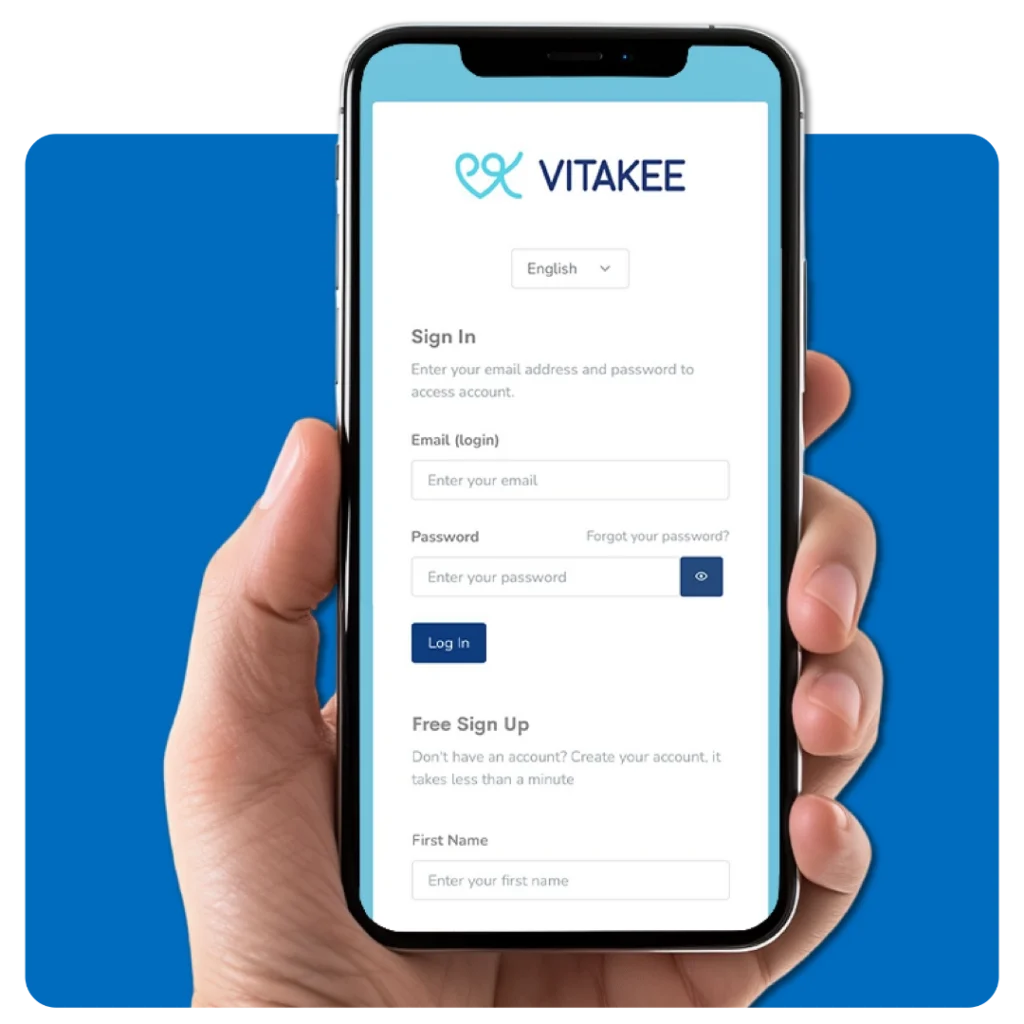
VITAKEE will allow you to record, compare, and see the impact of each change with simple graphs and full control over your information.
How the Challenge Works
Each day you will complete three actions:
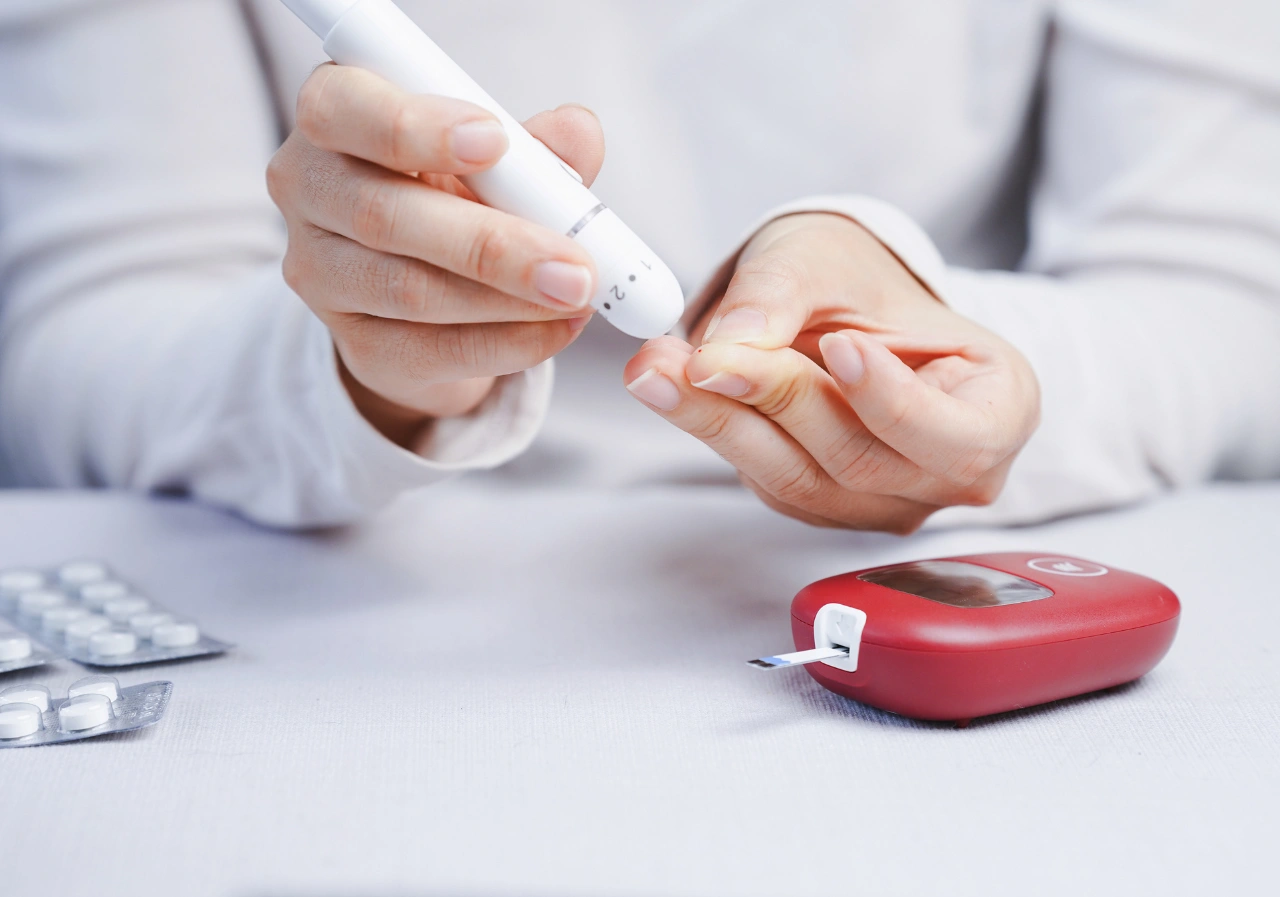
- Record your glucose:
- Upon waking (fasted).
- 60 minutes after a main meal.
- Apply a simple strategy:
- One new daily habit to stabilize your glucose.
- Log your symptoms:
- Energy, hunger, mood, sleep, etc.
At the end of the 21 days, you will know which habits work best for you and how your body responds.
Week 1: Reducing Spikes
| Day | Suggested Habit | Objective |
| 1 | Start your meals with vegetables (salad or cooked) | Slows glucose absorption |
| 2 | Avoid juices, fruit on an empty stomach, and cereals | Reduces early spikes |
| 3 | Walk 10 minutes after lunch | Improves post-meal glucose use |
| 4 | Avoid eating between meals | Supports natural insulin regulation |
| 5 | Remove added sugar for one day | Observe withdrawal symptoms |
| 6 | Include protein and fat at breakfast | Stabilizes energy and appetite |
| 7 | Measure fasting glucose + 1-hour post-lunch | First comparative analysis |
Week 2: Regulation & Body Awareness
| Day | Suggested Habit | Objective |
| 8 | Replace white bread with avocado or boiled egg | Stable fat source |
| 9 | Eat dinner 3 hours before bed | Improves nighttime glucose |
| 10 | Do deep breathing before eating | Lowers cortisol and improves digestion |
| 11 | Add apple cider vinegar (1 tbsp) before lunch | Lowers glycemic response |
| 12 | Do a 12-hour fast (dinner to breakfast) | Supports metabolic stability |
| 13 | Avoid ultra-processed foods completely | Clears accumulated impact |
| 14 | Measure post-dinner + fasting glucose | Check effect of late dinners |
Week 3: Consolidation of Sustainable Habits
| Day | Suggested Habit | Objective |
| 15 | Start your day with protein (eggs, fish, nuts) | Reduces morning glucose |
| 16 | Add fiber to all meals (vegetables, seeds) | Improves digestion and glucose |
| 17 | Sleep 8 hours, no screens 1 hour before | Optimizes hormonal function |
| 18 | Compare foods with vs. without dressing | Detect hidden sugars |
| 19 | Compare glucose after meals with vs. without rice/bread | Evaluate individual response |
| 20 | Choose the 3 habits that helped most | Define your future strategy |
| 21 | Measure fasting glucose + 1-hour post-breakfast | Final challenge outcome |
Expected Improvement Indicators
During the challenge, you may notice:
- Lower or more stable fasting glucose (<100 mg/dL)
- Smaller post-meal increases (<30 points difference)
- Reduced post-meal fatigue
- Fewer nighttime cravings
- Higher physical energy and focus
- Less irritability or mood swings
How to Continue After the Challenge
You will gain clarity on what works for you and what doesn’t.
From there, you can keep using VITAKEE to:
- Apply only the habits your body validated
- Share your glucose curve with a specialist
- Adjust your nutrition without dogma—using data
- Combine this challenge with the next one: “Active Metabolism Challenge”