

A poorly taken measurement can confuse you more than it helps you.
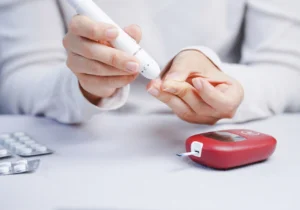
This challenge teaches you how to ensure every measurement delivers real value. From how to place the blood drop on the glucose meter, to the best time to weigh yourself, or how to take comparison photos of your progress.
Without reliable measurements, there are no reliable decisions.
By the end of this challenge, the user will be able to:
- Measure glucose, ketones, and body composition correctly.
- Avoid common errors that distort results.
- Record symptoms or qualitative data in a structured way.
- Have useful data for themselves and their specialists.
Week 1: Measurement Fundamentals
| Day | Topic | Key Recommendation |
| 1 | Fasting glucose | Measure 8–10 hours after the last meal, before coffee or water |
| 2 | Postprandial glucose | Measure exactly at 60 and 90 minutes after eating |
| 3 | Glucose meter cleaning & calibration | Wash hands, discard the first drop, use new strips |
| 4 | Blood ketones | Measure while fasting or at least 3 hours without food |
| 5 | Ideal measurement timing | Avoid days with poor sleep or unusually heavy meals |
| 6 | Basic daily log | Glucose + ketones + energy-related symptoms |
| 7 | Day-to-day comparison | Do not compare results from days with stress or illness |
Week 2: Body Composition Measurement
| Day | Topic | Key Recommendation |
| 8 | Proper use of bioimpedance scale | Measure barefoot, fasting, and after urinating |
| 9 | Factors that alter weight | Sodium retention, hormonal cycle, late dinner |
| 10 | Interpreting muscle mass and fat | Focus on trends, not daily numbers |
| 11 | Visual measurement | Take 2 photos per week, same location and lighting |
| 12 | Tracking subjective symptoms | Energy, digestion, sleep, appetite |
| 13 | Integrating measurements + symptoms | Observe how they relate to each other |
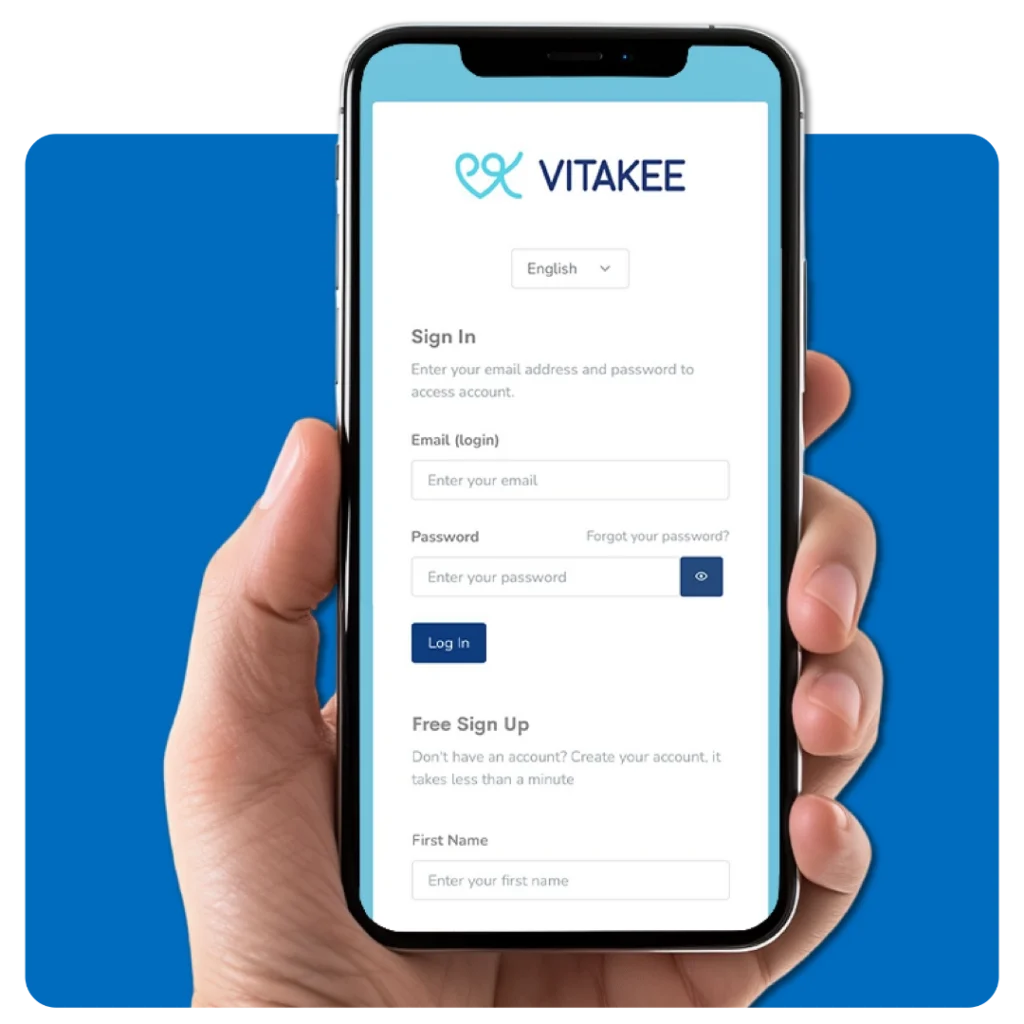
| 14 | Uploading to VITAKEE | Upload photos, biomarkers, and personal notes |
Week 3: Habit Consolidation & Personalization
| Day | Topic | Key Recommendation |
| 15 | Pattern review | Does glucose drop after a walk? Do ketones improve with fasting? |
| 16 | Personalized timing | Determine your best time for each measurement |
| 17 | Days without measuring | Learn when it’s better to pause and avoid obsessing |
| 18 | Creating measurement alerts | Simple reminders so you don’t forget |
| 19 | Selecting your 3 key metrics | Prioritize based on your goals |
| 20 | Sharing with specialists | How to prepare your panel for a clear consultation |
| 21 | Cycle closure | Progress evaluation and personalized maintenance plan |
Success Indicators at the End of the Challenge
- Greater clarity on when and how to measure.
- Reduced variability caused by technical errors.
- Stronger sense of control over your body.
- A cleaner, clearer, more useful VITAKEE data panel.
- Real ability to compare weeks, months, and decisions.
Common Mistakes You Will Avoid After the Challenge
- Measuring after coffee.
- Using glucose meters without proper cleaning.
- Comparing glucose on days with less than 6 hours of sleep.
- Weighing yourself after a meal or workout.
- Logging symptoms without time or food context.
Conclusion
Knowing how to measure yourself is the foundation for making better health decisions.
At VITAKEE, it’s not just about looking at numbers: it’s about understanding what they mean and how they relate to you.
This challenge marks the beginning of a new relationship with your body—one where you take the lead.