
Why Measure Ketones?
Ketones are an alternative energy source to glucose. They are produced when the body uses fat as fuel, which occurs during fasting, sustained aerobic exercise, or carbohydrate reduction.
Tracking your ketone levels not only helps you know whether you’re burning fat, but also helps you understand how specific foods impact your metabolic state.
With VITAKEE, you can see whether a particular meal keeps you in ketosis or interrupts the process—allowing for smarter, more personalized nutrition.
Which Foods Increase Ketones?
To increase ketone production, foods should:
- Have a low impact on glucose and insulin
- Provide healthy fats or trigger body fat oxidation
- Be nutrient-dense and easy to digest
Below is an organized summary by category:
Foods That Raise or Maintain Ketones (Recommended)
| Category | Key Foods | Notes |
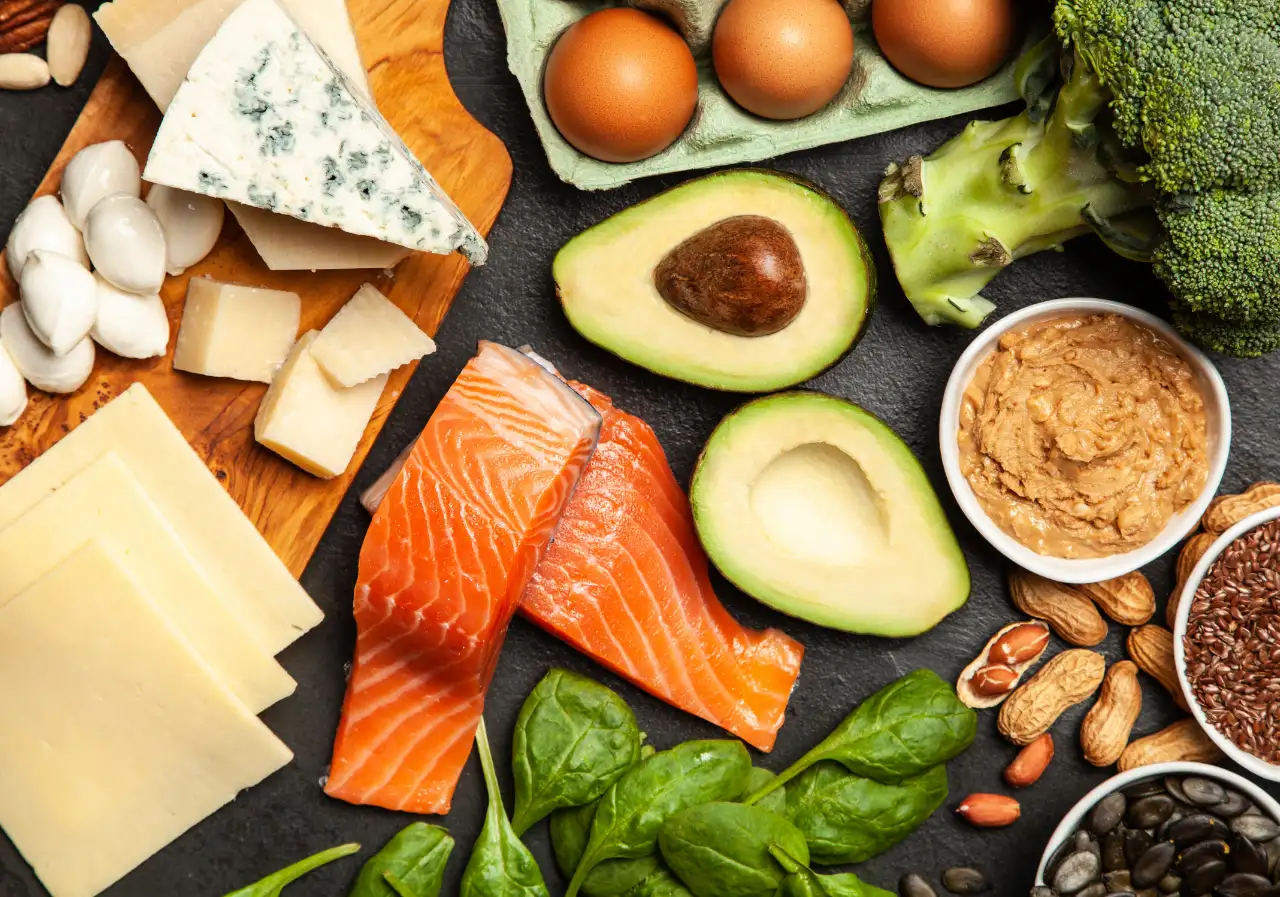
| Healthy fats | Avocado, extra virgin olive oil, coconut oil, ghee | Provide clean energy and do not trigger insulin |
| Clean protein | Fatty fish (salmon, sardines), whole eggs, chicken breast, grass-fed meat | Moderate portions to avoid excess net protein |
| Low-carb vegetables | Spinach, arugula, broccoli, cauliflower, zucchini, asparagus | Provide fiber without raising glucose |
| Nuts and seeds | Almonds, pecans, walnuts, chia or flax seeds | Best in controlled portions |
| Fermented foods | Plain Greek yogurt, sauerkraut, unsweetened kefir | Improve microbiota and stabilize energy |
| Hydration | Water with sea salt or electrolytes, unsweetened herbal infusions | Prevent fatigue and curb cravings without breaking ketosis |
Foods That Interfere With Ketosis (Limit or Avoid)
| Category | Foods | Effect |
| Hidden sugars | Juices, cereal bars, honey, “healthy snacks” with coconut sugar | Break ketosis due to insulin spike |
| High-glycemic fruits | Grapes, mango, ripe banana, dates | Raise glucose even if natural |
| Flours and grains | Bread, oats, rice, tortillas, quinoa, pasta | Slow or stop ketone production |
| Low-sugar ultraprocessed foods | Commercial “keto” snacks, products with artificial sweeteners | Some raise insulin even without glucose |
| Alcohol | Wine, beer, liquor | Prioritized in metabolism; halts ketogenesis |
| Conventional dairy | Cow’s milk, sweetened yogurt | Raise insulin due to lactose and A1 casein |
How to Interpret Your Ketone Response With VITAKEE
Recommended measurement times:
- Upon waking (baseline)
- 2 hours after eating
- Before and after training (if applicable)
Reference ranges:
| Ketone Level (mmol/L) | Metabolic State | Interpretation |
| < 0.3 | Not in ketosis | Glucose-centric metabolism |
| 0.3 – 0.5 | Transition | Beginning to use fat for energy |
| 0.5 – 1.5 | Nutritional ketosis | Ideal for fat oxidation and mental clarity |
| 1.5 – 3.0 | Deep ketosis | Possible during fasting or therapeutic protocols |
| > 3.0 | Supervision recommended | Only under specific clinical protocols |
Practical Tips to Maintain Stable Ketones
- Avoid snacking between meals.
- Each meal should keep you satisfied for at least 4–6 hours.
- Break your fast with protein + fat.
- Avoid fruits, juices, or cereals when ending a fast.
- Protect your sleep.
- Poor sleep raises cortisol, which inhibits ketone production.
- Walk after meals.
- Improves insulin sensitivity and fat utilization.
- Don’t overload on protein.
- Excess protein can convert into glucose via gluconeogenesis.
Simple Recipes That Support Ketones
- Keto salad:
- Avocado + boiled egg + mixed greens + olive oil + chopped nuts
- Post-workout sugar-free shake:
- Water + isolate protein + almond butter + pure cocoa
- Light dinner:
- Baked salmon with steamed broccoli and coconut oil
- Controlled snack:
- 10 almonds + 1 oz aged cheese or 1 tbsp coconut cream
What to Do If Your Ketones Don’t Increase
- Check for hidden carbohydrate intake
- Increase your consumption of healthy fats
- Reduce fruit or oatmeal portions
- Extend nighttime fasting to 12–14 hours
- Avoid training too late if it disrupts your sleep
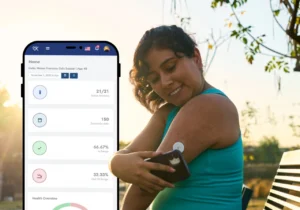
The VITAKEE dashboard helps you spot patterns, correlate data, and make more precise adjustments.
Conclusion
Knowing which foods raise your ketones isn’t a trend—it’s a tool for self-awareness.
Beyond fat loss, ketones reflect an efficient, flexible, and preventive metabolism.
What matters isn’t “eating keto,” but eating according to what your body truly needs and responds to best.
VITAKEE helps you discover that.